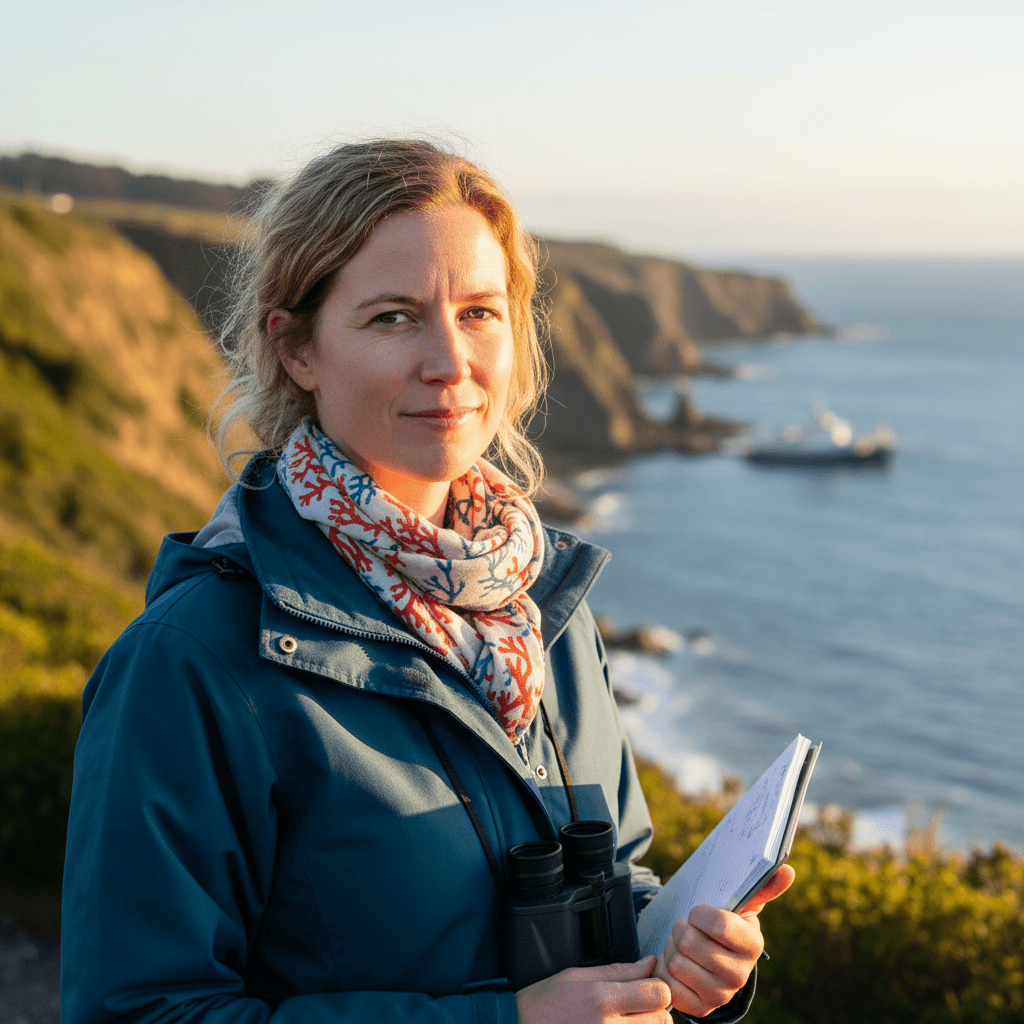
Nienke(30)
Delft → Dunedin
I studied marine biology at TU Delft and did my master's in Wageningen focusing on marine mammals. After my PhD research on harbor porpoises in the North Sea, I sought a postdoc position abroad. New Zealand, with its unique marine ecosystems and the rare Hector's dolphin, was my dream destination. A research position at the University of Otago in Dunedin was the perfect match.
The university arranged an Essential Skills Work Visa (now replaced by the AEWV) for my position as postdoctoral research fellow. Academic positions fall under special provisions at INZ — the application was fast-tracked, partly because research on endangered species is considered a national priority. The visa was sorted within three weeks, including my partner who came on a Partner visa.
The research focuses on the Hector's dolphin, the smallest and rarest dolphin species in the world. There are only about 15,000 left, and they're found only around the coasts of the South Island. I work from the Portobello Marine Laboratory, a field station on Otago Harbour. It's incredible to be on the water every day, doing photo-IDs and acoustic monitoring.
Dunedin is a perfect city for researchers. The University of Otago is New Zealand's oldest university and has a strong reputation in marine sciences. The city is small (130,000 residents) but lively thanks to the student population. Rents are the lowest of all major cities — NZ$320 per week for a spacious two-bedroom apartment. The Otago Peninsula, with its albatross colony and sea lions, is my backyard.
Science funding in New Zealand is challenging, as everywhere. My postdoc salary is NZ$72,000 — less than industry, but the research facilities and field access compensate. The government funds research through the Marsden Fund and the Department of Conservation (DOC) gives grants for endangered species research. I recently secured a DOC grant of NZ$150,000 for a three-year project.
In two years my postdoc contract expires and I hope to get a permanent position (senior lecturer). With publications in Nature and Conservation Biology and my DOC funding I have a good chance. My advice to scientists: New Zealand is small but has a disproportionately strong research culture. Nature is the laboratory. If you're in marine biology, ecology or environmental sciences, this is the country. I wouldn't want to be anywhere else.
Highlights
- Academic visa fast-tracked via INZ for endangered species research
- Portobello Marine Lab: fieldwork with Hector's dolphins
- Dunedin: lowest rents in NZ, NZ$320/week for 2-bedroom apartment
- DOC grant NZ$150K for marine research projects
Other stories

Jeroen
Breda → Auckland
Cybersecurity is on INZ\

Rick
Almere → Christchurch
As a plumber I was on the Green List. Christchurch\

Bas
Amsterdam → Auckland
With 160 points on the Skilled Migrant Category I got my residence visa within six months. Auckland is expensive, but the opportunities in tech are enormous.